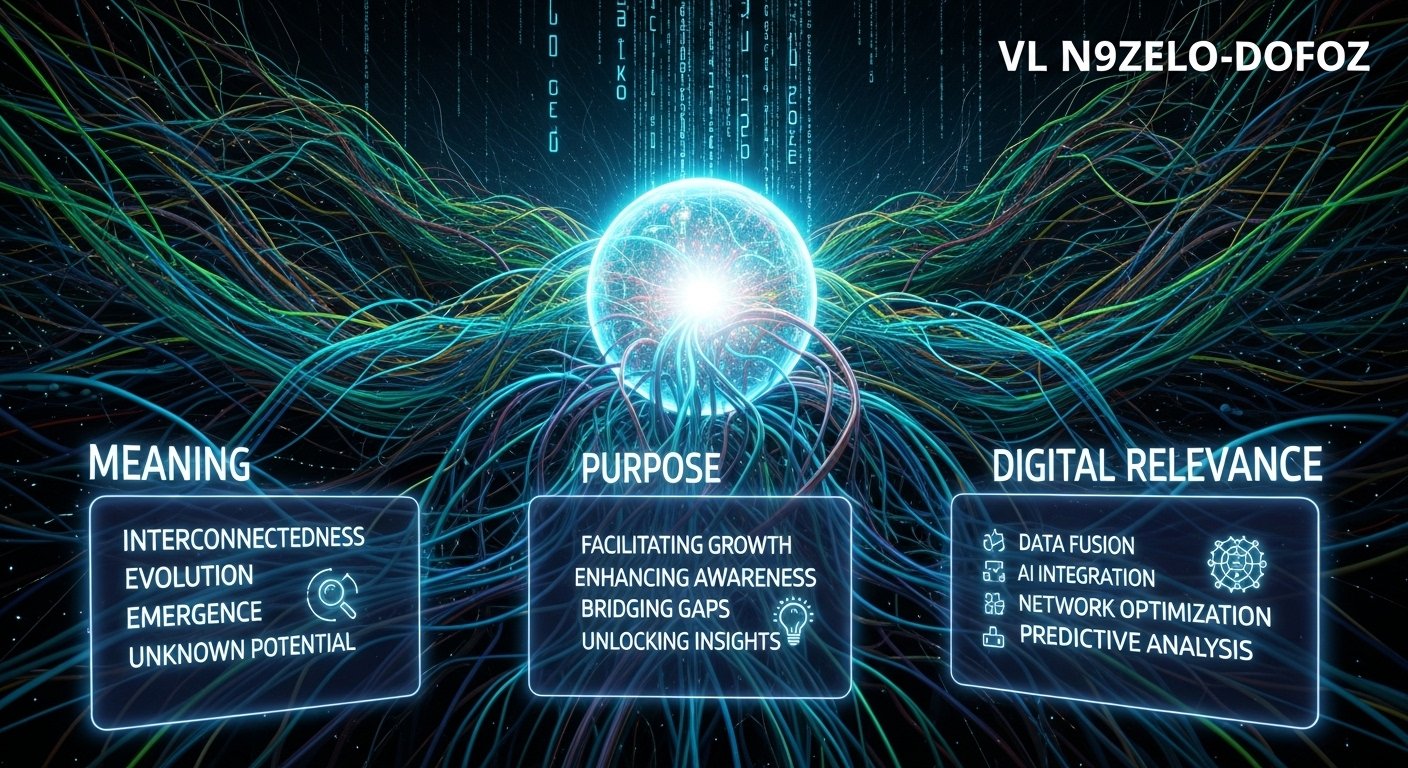
About vl n9zelo-dofoz: Meaning, Purpose, and Digital Relevance
Introduction
The term about vl n9zelo-dofoz has recently appeared in online discussions, niche tech communities, and various digital references. While it may look unusual at first glance, terms like this often emerge from internal coding systems, experimental software projects, or unique digital identifiers used within specific platforms. Understanding about vl n9zelo-dofoz requires looking at how modern digital environments create and use coded labels to organize data, track systems, or represent hidden frameworks within software architecture.
In today’s rapidly evolving tech ecosystem, identifiers such as about vl n9zelo-dofoz can represent anything from internal module names to testing environments. Exploring this concept helps clarify why such terms exist and how they fit into the broader digital landscape.
The Origin and Structure of the Term
One of the most interesting aspects about vl n9zelo-dofoz is its unusual structure. The combination of letters, numbers, and hyphenated segments suggests that it may have been designed as a unique identifier rather than a traditional name.
In many software development environments, structured identifiers are used to prevent duplication and maintain clarity across large systems. Developers often create labels that include randomized or coded segments. These identifiers allow systems to distinguish between components, updates, experiments, or database elements.
When analyzing about vl n9zelo-dofoz, it becomes clear that the format follows a pattern commonly used in digital tagging systems. Such formats are frequently applied in software builds, API frameworks, or internal documentation systems where precise referencing is necessary.
Possible Uses in Technology Systems
Understanding about vl n9zelo-dofoz becomes easier when examining how modern digital infrastructures operate. Within complex platforms, developers rely heavily on unique strings or identifiers to organize functionality.
Software Module Identification
One possible explanation about vl n9zelo-dofoz is that it represents a module within a software project. Large applications are often divided into smaller modules, each with its own code label. These identifiers help developers track updates, debug issues, and maintain compatibility across different system components.
Experimental Development Tags
Another potential role about vl n9zelo-dofoz is as a testing or experimental tag. During development cycles, engineers frequently assign temporary identifiers to experimental features. These tags remain within documentation or testing environments even if the project later evolves.
Database or System References
Database structures also rely heavily on unique labels. In some cases, identifiers like about vl n9zelo-dofoz are used internally to categorize stored records, logs, or automated system processes. These coded strings help databases maintain organized structures and prevent conflicts between similar entries.
Why Unique Identifiers Are Important
The presence of terms such as about vl n9zelo-dofoz highlights the importance of unique identifiers in the digital world. As software ecosystems grow larger and more complex, simple naming conventions become insufficient.
Preventing Data Conflicts
When thousands of components operate within a single system, duplication can cause serious technical issues. Unique identifiers ensure that every element can be distinguished without confusion.
Improving System Organization
Developers and engineers depend on structured naming patterns to maintain clarity across massive codebases. Using identifiers like about vl n9zelo-dofoz allows teams to track components efficiently without interfering with other system elements.
Supporting Automated Systems
Automation is another reason these identifiers exist. Many backend processes rely on coded strings to trigger actions, log events, or track performance metrics. Systems can recognize identifiers instantly and perform tasks without human intervention.
The Growing Trend of Encoded Naming
The emergence of terms similar to about vl n9zelo-dofoz reflects a broader trend in modern technology. As artificial intelligence, automation, and cloud computing expand, structured identifiers are becoming more common.
Developers now work with enormous datasets and distributed systems. Human-readable names alone cannot support such scale. Encoded naming conventions offer a reliable method for managing complex infrastructures.
For example, many cloud platforms generate automated identifiers whenever a new instance, container, or process is created. These identifiers may appear random but follow precise internal rules designed to maintain system stability.
Because of this shift, encountering unusual strings like about vl n9zelo-dofoz is becoming increasingly normal in technical environments.
Interpreting Mysterious Digital Terms
Sometimes internet users encounter unfamiliar phrases and assume they represent hidden tools or secret platforms. In reality, many of these terms originate from backend systems or experimental environments.
Looking carefully about vl n9zelo-dofoz shows that its primary value may lie in system organization rather than public-facing functionality. These identifiers typically exist behind the scenes, helping developers maintain structure and control.
Understanding this concept helps demystify strange digital terminology. Instead of assuming complexity or secrecy, it becomes easier to recognize them as practical technical tools.
The Future of Digital Identifiers
As technology continues evolving, the use of structured identifiers will likely increase. Software ecosystems now involve microservices, distributed networks, and automated workflows that require precise referencing.
In such environments, identifiers like about vl n9zelo-dofoz play an essential role in maintaining system reliability. They allow developers to monitor operations, track updates, and ensure that every component interacts correctly within the broader architecture.
Future innovations in cloud infrastructure, machine learning systems, and digital automation will further expand the need for these unique labels. While they may look unfamiliar, they represent an essential building block of modern technology.
Conclusion
The concept about vl n9zelo-dofoz illustrates how modern digital systems rely on structured identifiers to maintain order and efficiency. Although the term may appear cryptic, it likely functions as a coded reference used within technical environments such as software modules, databases, or experimental frameworks.
Understanding identifiers like about vl n9zelo-dofoz helps reveal how developers manage increasingly complex technological systems. Rather than being mysterious or hidden tools, these labels represent practical solutions for organizing massive digital infrastructures.
As software ecosystems continue expanding, structured naming conventions will remain a critical part of how systems operate, evolve, and maintain stability in an ever-growing digital world.